

Predictive Analytics & Early Warning
Act before outbreaks happen.
Harness AI-powered predictive analytics to detect emerging disease signals, forecast outbreak risks, and provide early warnings—giving public health teams the foresight to intervene before threats escalate.
Forecasts you can plan with
Know what is coming, and how sure we are
Forecasts for 7 to 90 days ahead always come with their confidence ranges, so teams can see both the likely trend and the uncertainty before they commit resources.
- 80% and 95% confidence ranges on every forecast
- Proven statistical methods flag emerging clusters
- Models backtested and monitored for drift
Illustrative forecast - simulated values, fictional areas. Not a real prediction.
What's included
Capabilities at a glance
Disease forecasting
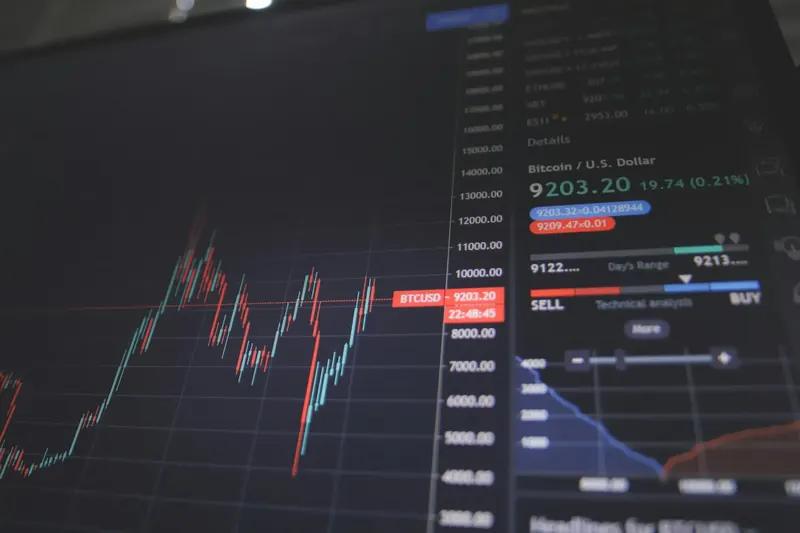
7, 14, 30 and 90-day forecasts, each with an 80% and 95% confidence range.
Hotspot and cluster detection
Proven statistical methods (Getis-Ord Gi*, Local Moran's I, space-time scan statistics, EARS) find emerging signals.

Composite risk index
A weighted, configurable risk index, plus an Intervention Gap Index that shows where coverage falls short.

Validated models
Every model is backtested, scored on its accuracy and monitored for drift.

Disease modules
Malaria and Dengue today, with more diseases added by configuration.
How it works
From data to decision
- 01
Forecast
Models project cases over four horizons, with uncertainty shown as confidence ranges.
- 02
Detect
Statistical methods flag clusters and unusual increases as they emerge.
- 03
Score
The composite risk index and Intervention Gap Index rank areas for attention.
- 04
Validate
Accuracy is tracked against what actually happened, and drift is flagged.
Platform Intelligence
Works together with

Command Center & Situational Awareness
One Unified View. Every Critical Insight.
Learn more
Geospatial Intelligence
See Where Risk Lives. Act Where It Matters.
Learn more
Operations, Planning & Optimisation
Turn insight into action.
Learn more
AI Copilot with Human Oversight
AI that advises while people decide.
Learn more
Data Integration, Governance & Reporting
Built on your systems and secured by design.
Learn more